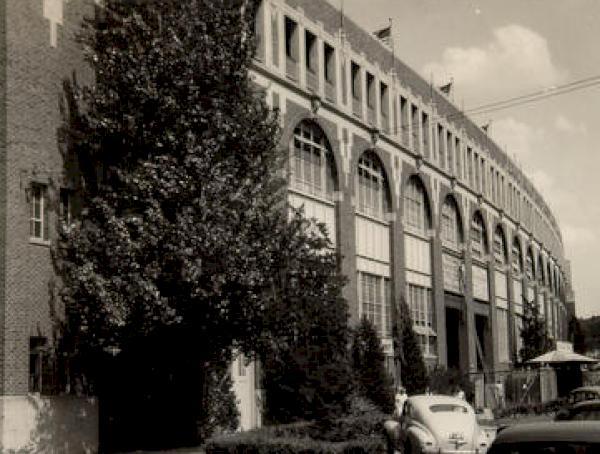
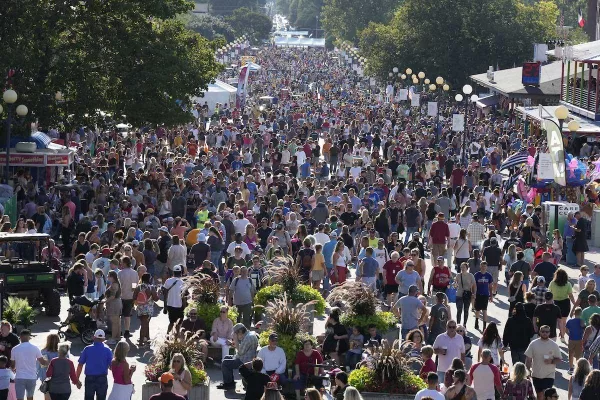
The internationally acclaimed Iowa State Fair is the single largest event in the state of Iowa and one of the oldest and largest agricultural and industrial expositions in the country. Annually attracting more than a million people from all over the world, the Iowa State Fair in Des Moines is Iowa’s great celebration, a salute to the state’s best in agriculture, industry, entertainment and achievement.
Aug 08 - 18, 2024 | Days | Hours | Min

Fair Fever
August 8-18, 2024
Quick Links
Be Social with Us
Search
Tickets on Sale
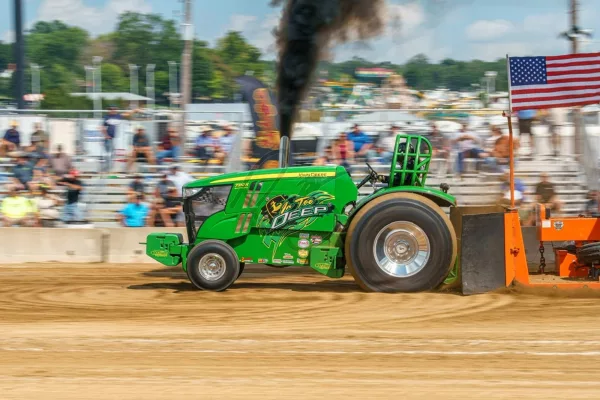
Advance admission tickets, Elwell Family Park events and Thrill Park passes and wristbands on sale now
2024 Grandstand
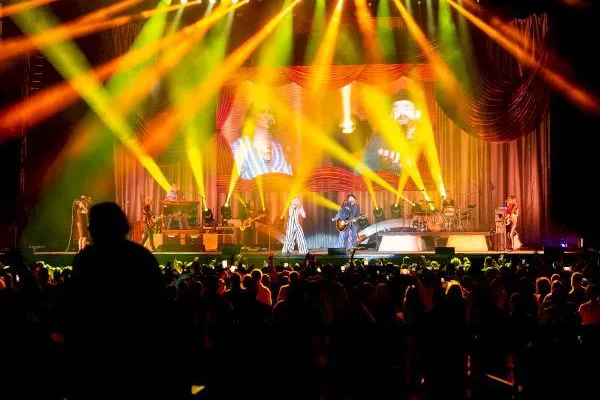
Check out who is coming to Iowa State Fair Grandstand in 2024
Applications
Find Commercial Space applications for the 2024 Iowa State Fair
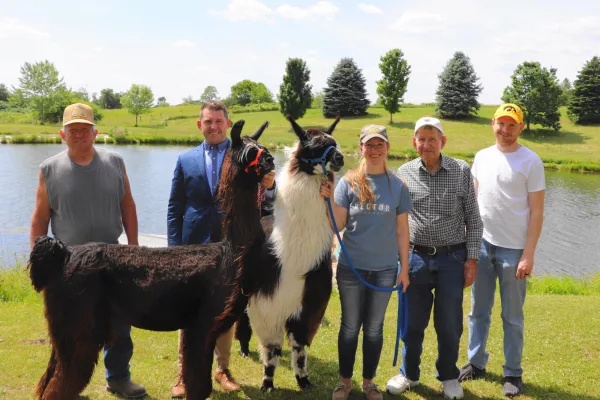
The Way We Live Award
Entries open for The Way We Live Award
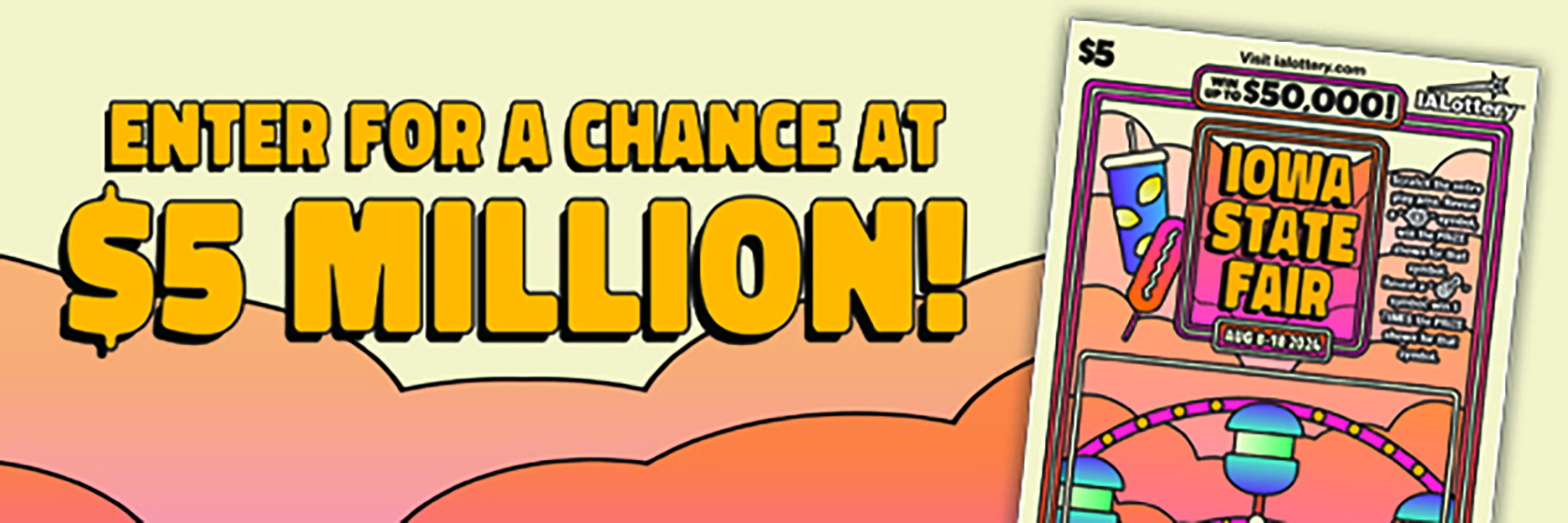
Just Announced: Lottery and State Fair Celebrate Years of Partnership
The Iowa Lottery officially has FAIR FEVER! This hot new promotion is a partnership between the Iowa State Fair and the Iowa Lottery for the first-of-its-kind Iowa State Fair scratch ticket with several cash and Iowa State Fair Grandstand concert series prize opportunities for the 2024 Iowa State Fair… including a chance to win up to $5 million in a live lottery game show on the opening day of the 2024 Iowa State Fair!
Iowa State Fairgrounds
Year Round Events
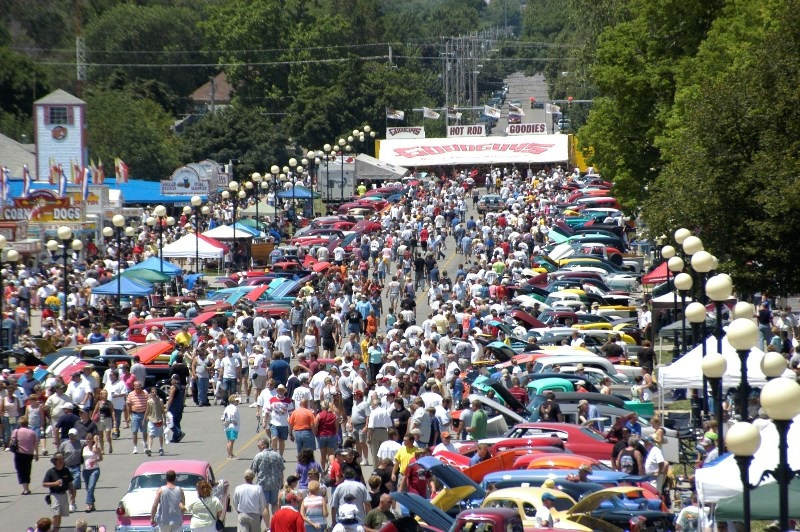
Merchandise
Fair Merchandise